Following the tragic incident involving Goliath at Six Flags Over Georgia on October 12, several parks across the country temporarily closed their Bolliger & Mabillard (B&M) hyper and giga coasters as a precaution. Now, one of those attractions has returned to operation, and a notable difference in its restraint system raises an interesting question about SeaWorld Orlando’s Mako.
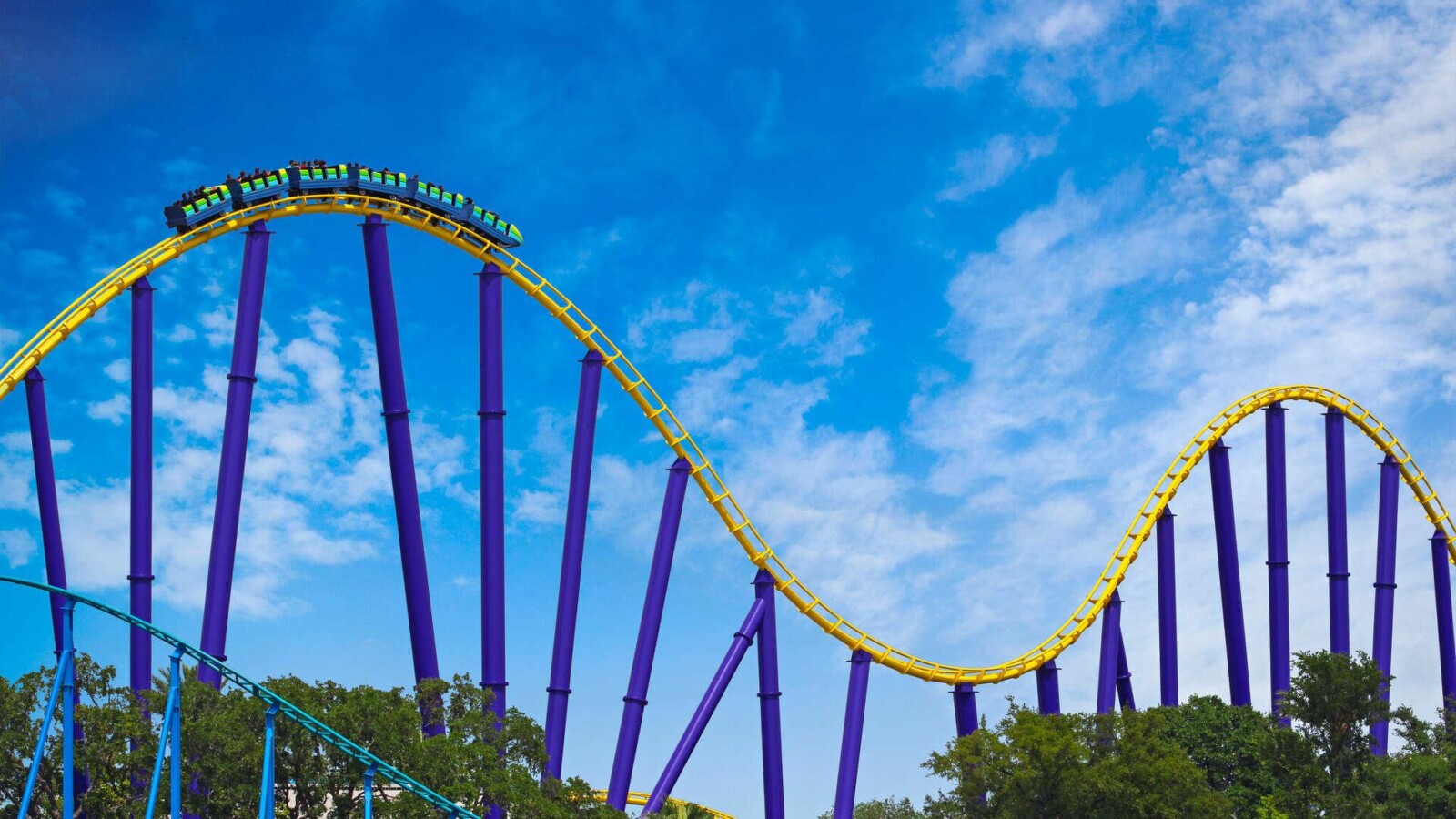
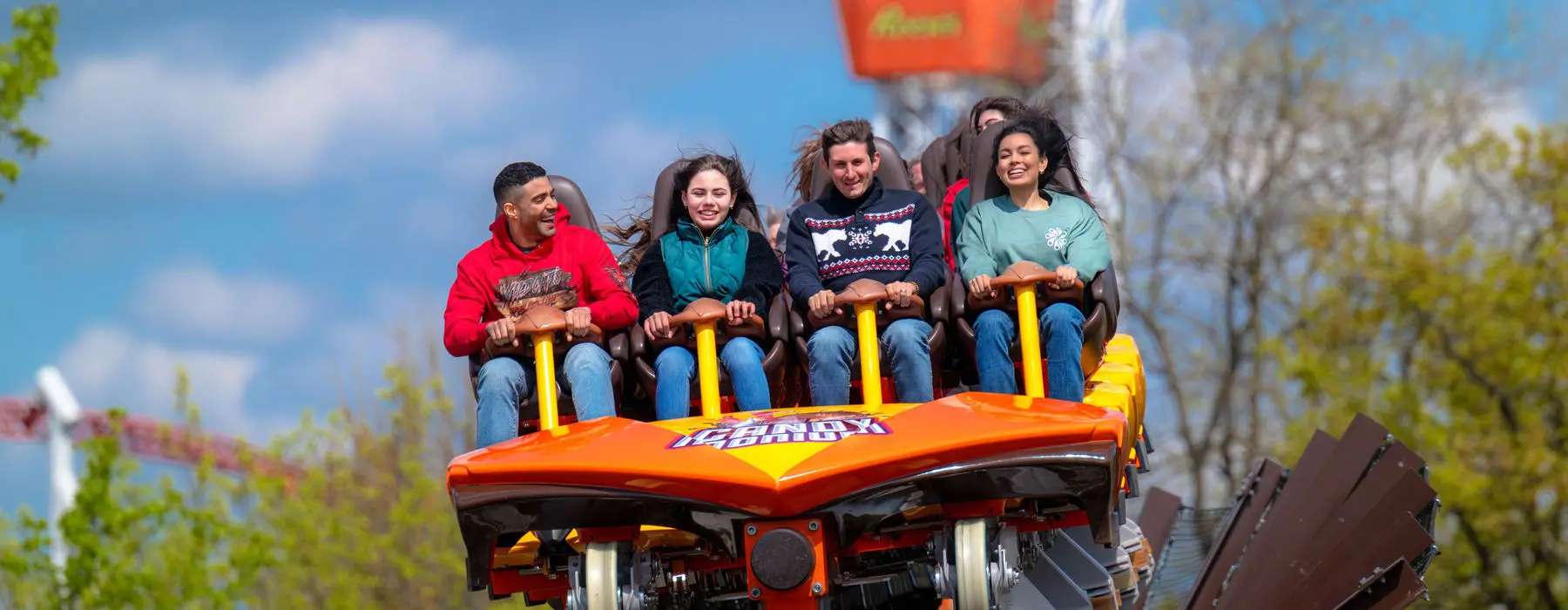
Hersheypark in Pennsylvania reopened Candymonium on October 16 following additional safety inspections, including reviews conducted by state-certified ride inspectors and an independent external safety inspector.
According to a statement from Hersheypark, the park also consulted with B&M, which indicated that, based on the information currently available, it had not identified an engineering reason to recommend closing similarly designed roller coasters solely because of the incident in Georgia.
While that may offer some reassurance, there is an important distinction between Candymonium and Goliath that deserves attention.
Candymonium Has a Secondary Seat Belt
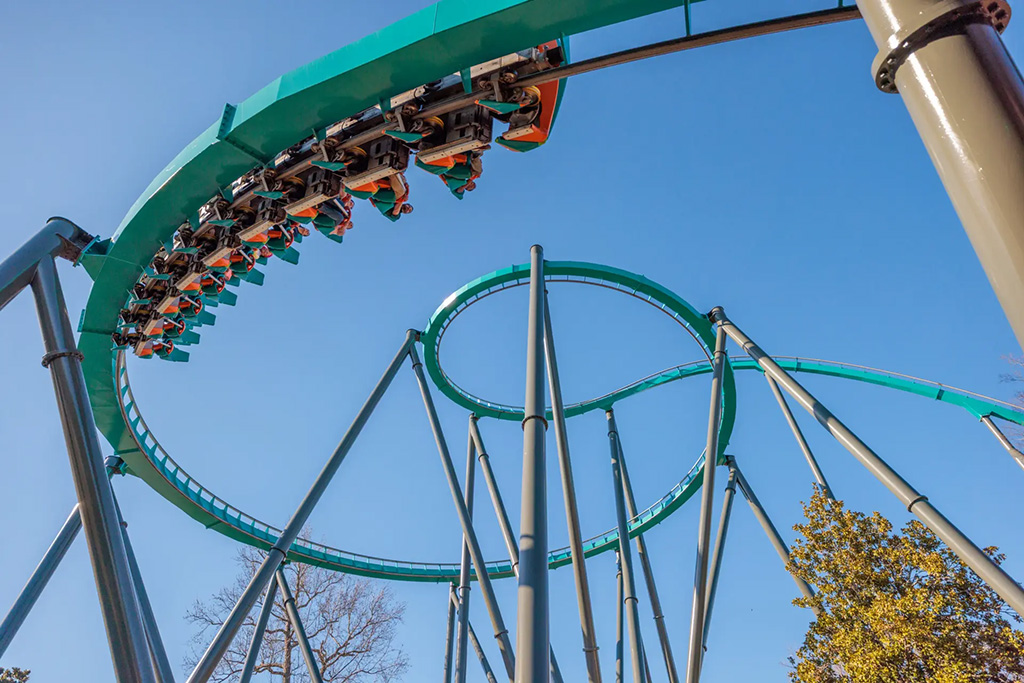
Like Mako at SeaWorld Orlando and Goliath at Six Flags Over Georgia, Candymonium utilizes B&M’s familiar clamshell-style lap restraint. The restraint is designed to secure riders across their thighs while allowing considerable upper-body freedom, contributing to the floating sensation these coasters are known for.
However, Candymonium also features a secondary seat belt in addition to its primary lap restraint.
That extra restraint is particularly noteworthy given the circumstances surrounding the Goliath incident and the questions being raised about rider safety.
A secondary seat belt does not necessarily mean Candymonium is safer than Mako or Goliath, nor does its presence establish that a similar belt would have prevented the tragedy in Georgia. The official cause of that incident has not been established publicly.
Nevertheless, an additional restraint could potentially provide another layer of protection, depending on its design, strength, and intended function.
It also raises a reasonable question: If B&M hypercoasters can operate with secondary seat belts, should more parks consider installing them?
Should SeaWorld Orlando Add Seat Belts to Mako?
Mako, one of SeaWorld Orlando’s signature attractions, uses the same general B&M clamshell restraint design found on several other hypercoasters. Unlike Candymonium, however, Mako does not have a secondary seat belt.
For years, these restraint systems have operated on major roller coasters around the world, with B&M maintaining a strong reputation in the industry.
The Goliath tragedy does not automatically mean the restraint design is defective, and it would be premature to suggest otherwise before investigators determine what happened.
Still, the incident presents an opportunity to revisit whether an additional layer of protection would be worthwhile.
Would installing secondary seat belts on Mako provide a meaningful safety benefit? Could they offer additional protection in the unlikely event of a primary restraint problem? Would they introduce operational challenges, affect loading times, or require significant modifications to the existing trains?
These are questions worth asking, particularly as parks and manufacturers evaluate the circumstances surrounding the Georgia incident.
Adding seat belts would not be as simple as attaching them to the existing seats. Any modification would need to be properly engineered, tested, and approved to ensure it works with the existing restraint system without introducing additional risks.
There is also the question of whether B&M would recommend such a modification in the first place.
Mako Remains Closed at SeaWorld Orlando
While Hersheypark has reopened Candymonium following additional safety inspections, Mako has yet to receive a confirmed reopening announcement.
As of October 17, SeaWorld Orlando’s official app lists Mako as “Closed for the day,” indicating that the attraction is not expected to operate for the remainder of Saturday.
SeaWorld Orlando has not publicly announced when Mako will reopen or whether any additional inspections or modifications will be required before guests can ride again.
SeaWorld Orlando previously provided Behind the Splash with a statement following the Goliath incident, emphasizing that guest and team member safety remains a top priority and that its safety personnel and ride technicians work to maintain its attractions.
Hersheypark’s decision to reopen Candymonium following additional inspections is encouraging, particularly given its reported consultation with B&M. However, the circumstances surrounding Mako’s closure and the requirements for its return to operation may differ.
The fact that Candymonium has a secondary seat belt also makes it difficult to draw direct conclusions about what its reopening means for coasters that rely exclusively on their primary lap restraints.
An Opportunity to Reevaluate Safety
Roller coasters remain an exceptionally safe form of entertainment, and incidents of this nature are extremely rare. That does not mean the industry should avoid examining whether existing safety systems can be improved.
The investigation into Goliath should ultimately help determine whether the incident involved a mechanical failure, restraint issue, operational factor, or something else entirely.
Until those findings are available, it is important not to speculate about the cause.
However, asking whether SeaWorld Orlando should consider secondary seat belts for Mako is a legitimate safety discussion, especially when another B&M hypercoaster already operates with them.
Whether such a modification would provide a measurable safety improvement is ultimately a question for B&M, qualified engineers, and ride safety professionals.
For now, Candymonium’s reopening is a positive development, but it also highlights an important difference between the restraint systems used on some of America’s most popular roller coasters.
Should SeaWorld Orlando consider adding secondary seat belts to Mako, or is its existing restraint system sufficient?
We would be interested in hearing what our readers think.