
National Zoo Awareness Day is celebrated on August 31, and today, we have yet another warm and fuzzy release story.
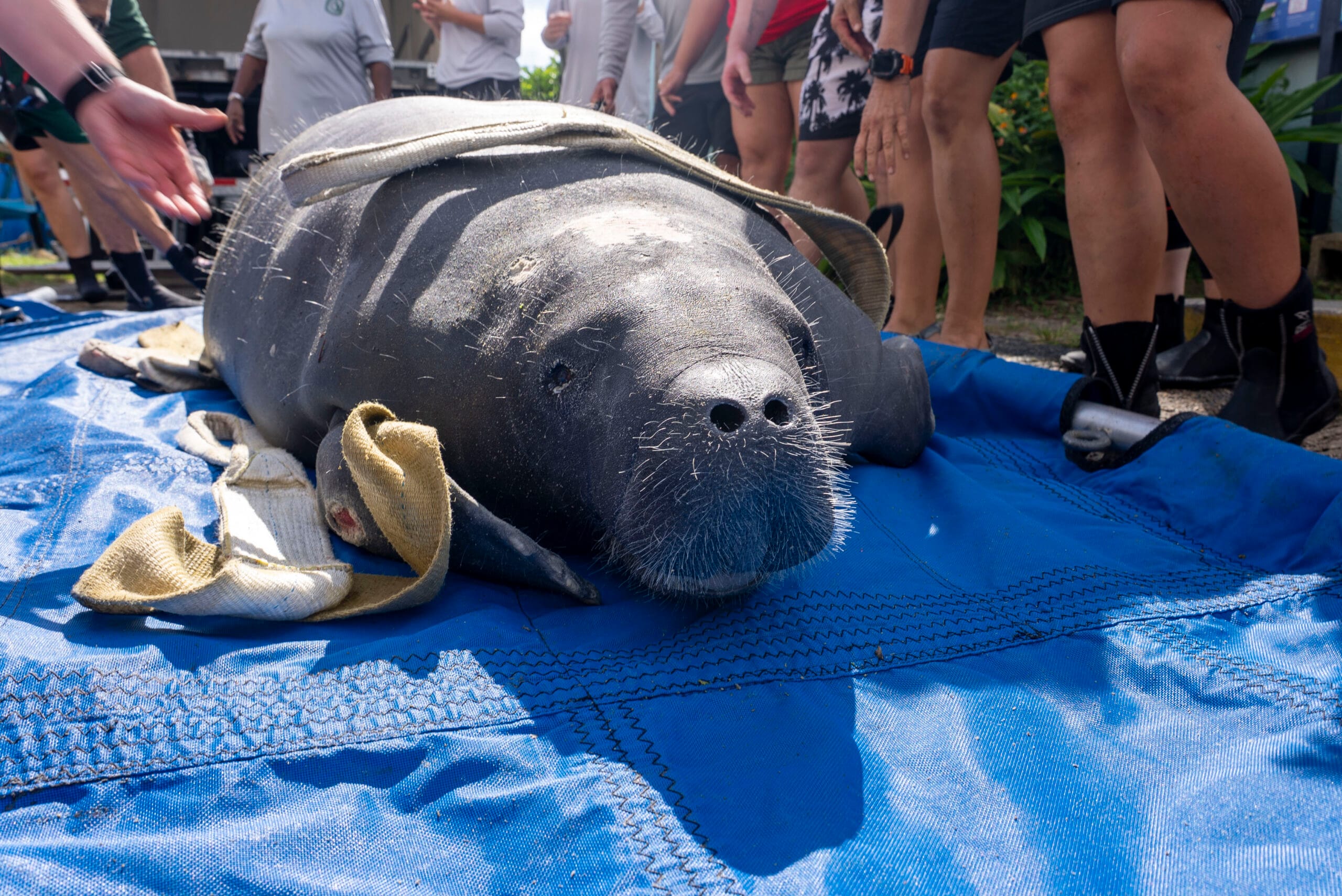
Seven months ago, a female manatee named Citron was struggling to swim normally through the waters of Kings Bay in Crystal River, Florida.
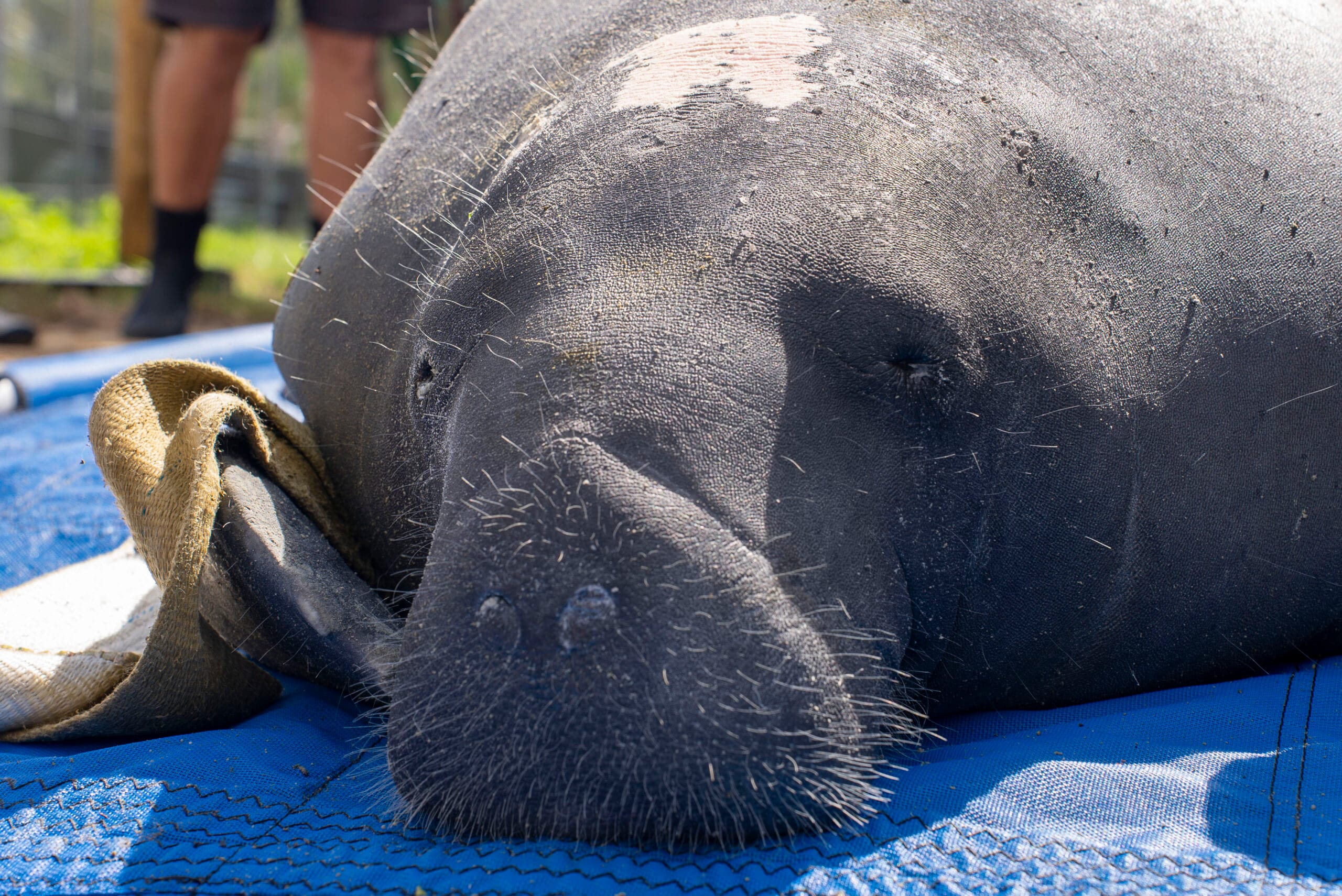
Citron was rescued from Kings Bay in January 2026 after she was found swimming on her side, an immediate indication that something was seriously wrong. She was eventually diagnosed with a pneumothorax, a condition in which air becomes trapped within the chest cavity due to damage to the lung. For a marine mammal that relies on precise buoyancy control to move through the water, surface to breathe, rest and feed, an injury like Citron’s can become a serious problem. The trapped air was interfering with her ability to maintain a normal position in the water, causing the unusual sideways swimming that initially drew attention to her condition. SeaWorld Rescue believes Citron’s injury was the result of a serious watercraft strike.
Following her rescue, Citron was transported across the state to SeaWorld Orlando, where she began what would become approximately seven months of treatment and rehabilitation with the park’s animal rescue and veterinary teams. Throughout her rehabilitation, she underwent multiple procedures and received specialized veterinary care as the team worked to address the pneumothorax and give her damaged lung time to recover. Watercraft-related injuries remain a serious threat to Florida manatees, and the damage caused by a collision isn’t always limited to the recognizable propeller scars many people associate with boat strikes. Manatees can also suffer blunt-force trauma and internal injuries after being struck by a vessel. In Citron’s case, the resulting pneumothorax created a particularly difficult problem: buoyancy. Manatees naturally need to control their position within the water column, and when air becomes trapped somewhere it shouldn’t be, that balance can be disrupted. An animal may begin floating abnormally, listing to one side or struggling to remain submerged.
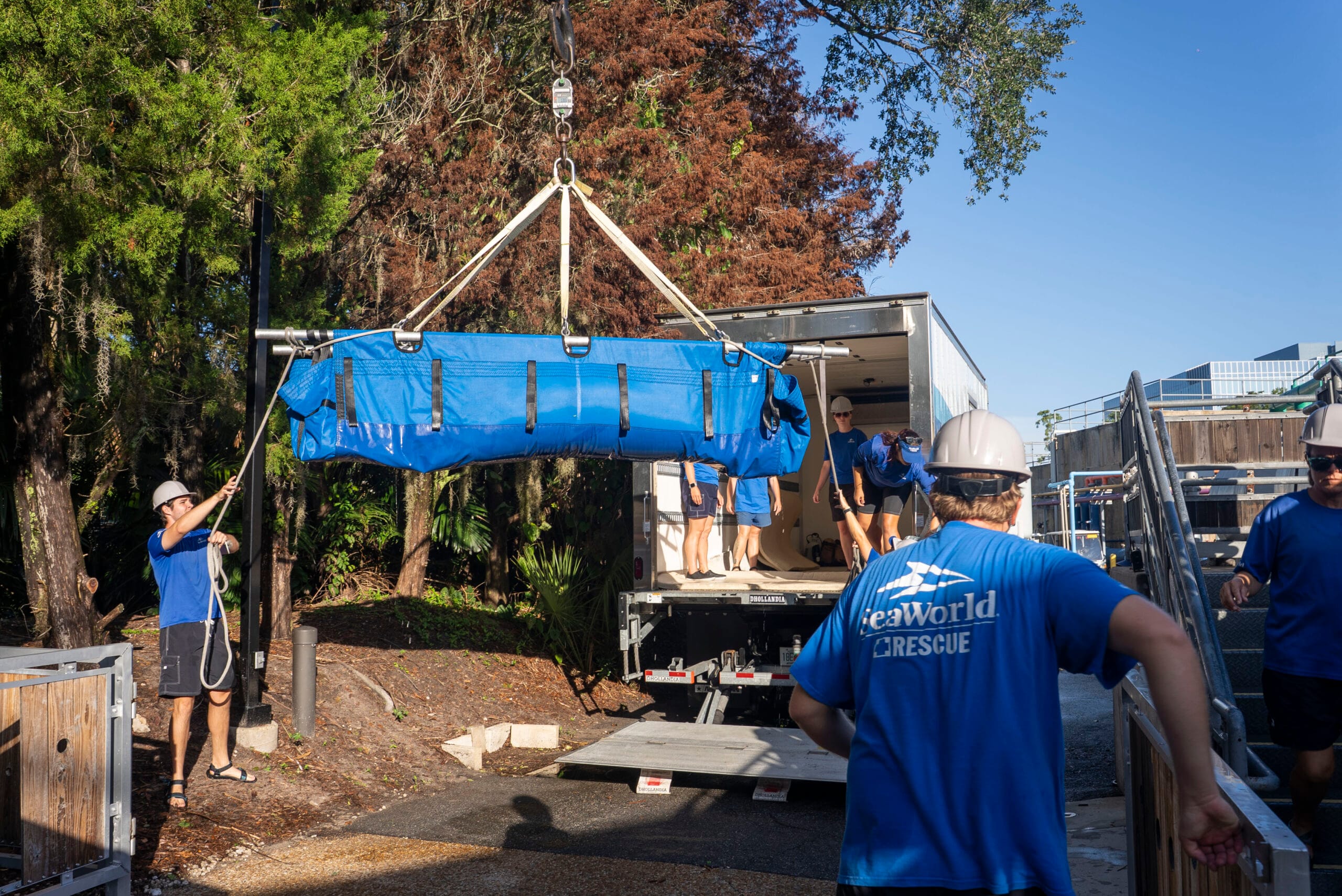
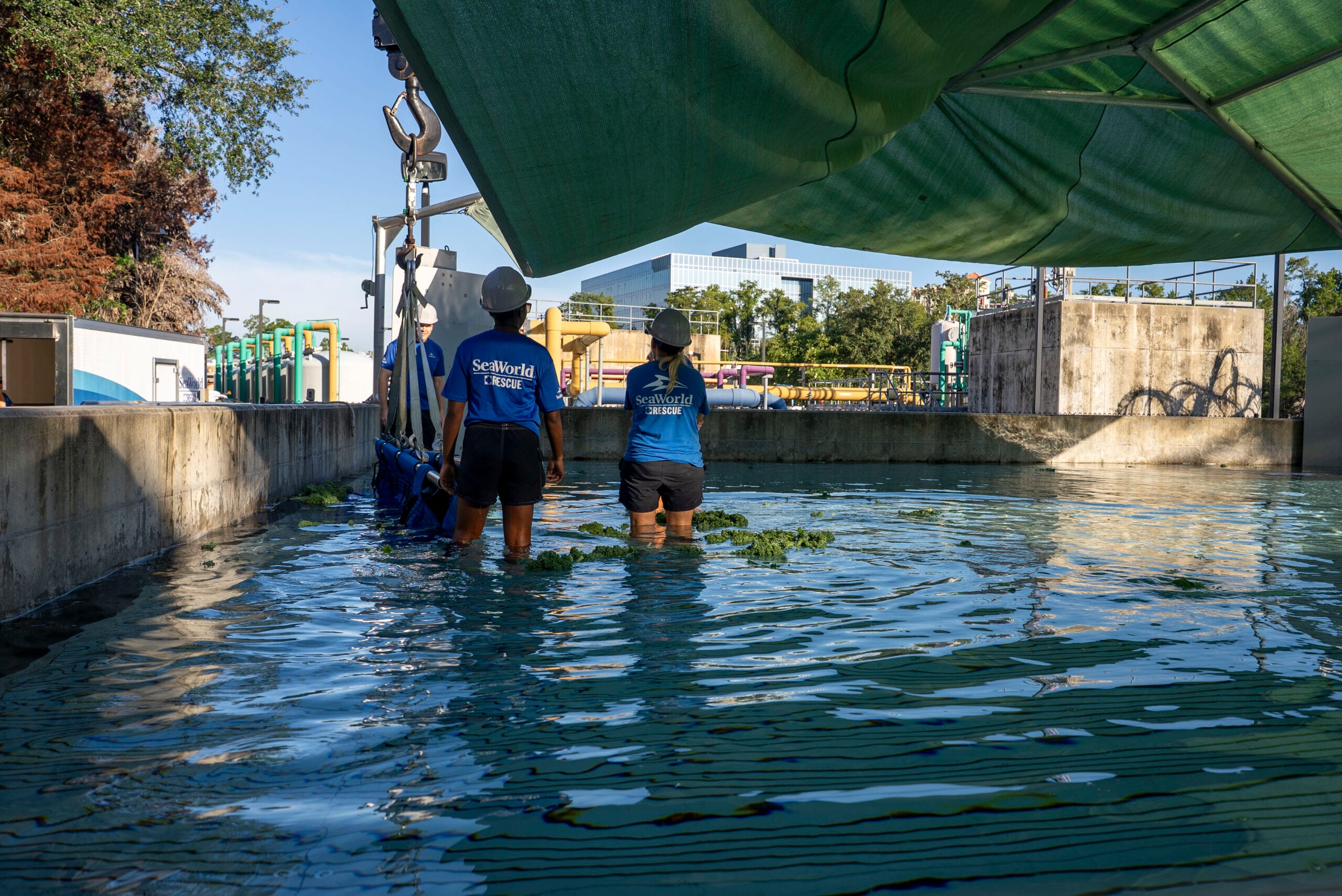
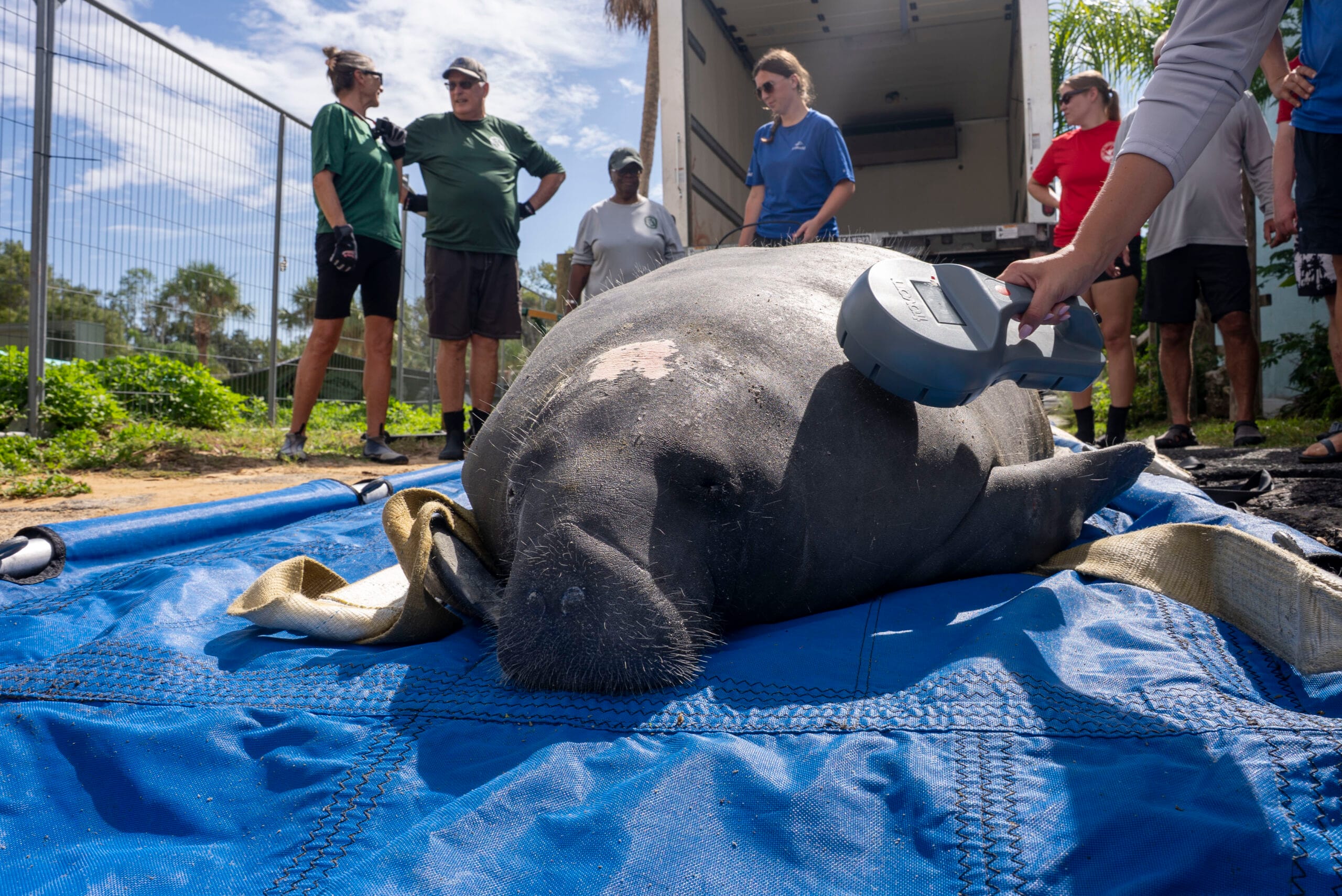
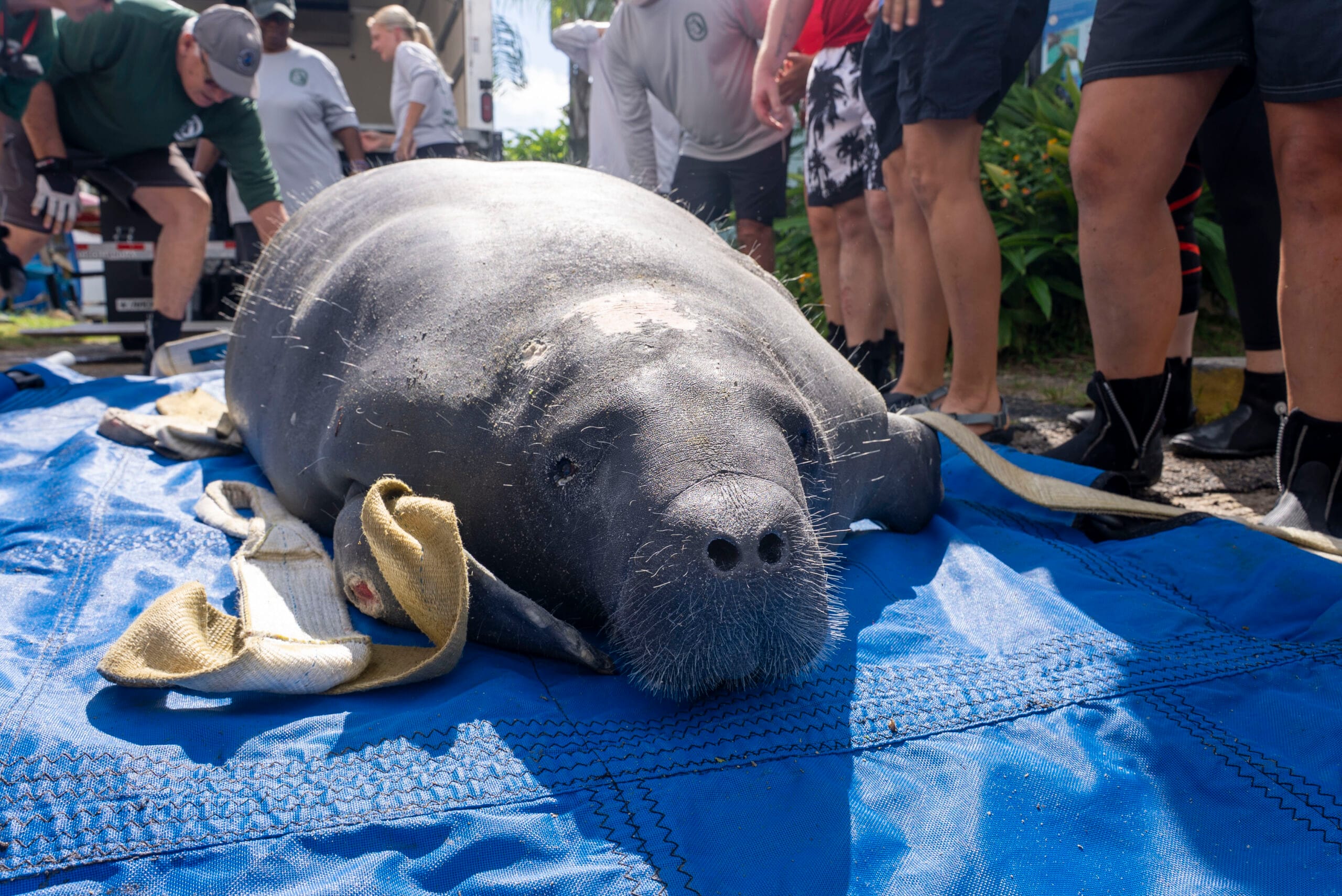
After months of procedures, rehabilitation and monitoring, Citron was finally considered ready to return to the wild. On August 27, 2026, she made the trip from SeaWorld Orlando back to Crystal River. Her release took place at The Port Hotel and Marina, returning her to the same ecosystem where her story began earlier this year. Whenever possible and appropriate, staff release rehabilitated adult manatees near where they were originally rescued. These are waterways they may already know and places where they have learned to find food, freshwater and, importantly, warm-water habitat during Florida’s colder months.
Crystal River is particularly significant for Florida manatees. Kings Bay and the surrounding waterways provide important habitat for the species, and the region has become especially well known for the large numbers of manatees that gather around its warm-water springs during colder weather. After spending seven months away, Citron was finally back in familiar territory.
There’s something especially satisfying about a rescue story that ends with an empty rehabilitation pool. She arrived because she was injured and needed help. She received that help, recovered, and left. That is exactly how a successful wildlife rehabilitation story is supposed to end. Her journey also represents something much larger than a single rescue. Florida’s manatee rescue system involves an extensive network of people and organizations working together to identify animals in distress, coordinate rescues, provide transportation, deliver veterinary treatment, and eventually determine when an animal is ready to return to the wild.
The reasons manatees enter rehabilitation vary. Some are suffering from cold stress or red tide exposure. Others have become entangled, orphaned or trapped. Some arrive after experiencing devastating watercraft injuries. Not every case has an easy outcome, and rehabilitation can take months…sometimes much longer. The number one cause of manatee deaths is collision with watercraft. They are also suffering from starvation and habitat loss. Prevention starts with our understanding. Slowing down both boats and development can go a long way.
Excellent job to all involved in this amazing rescue, rehabilitation, and release. Happy life, Citron!
And happy National Zoo Awareness Day to all who wake up, shovel poop, sort fish, and put their hands in places we could never imagine – all for the sake of education and conservation. Hats off to you all.