
The SeaWorld Coral Rescue Center at SeaWorld Orlando may be one of the park’s most overlooked educational experiences. When you think of the animals at SeaWorld Orlando, you probably think of killer whales, belugas, dolphins, and penguins, right? Admittedly, they do tend to steal the spotlight, but tucked away inside the park is an entire world of animals most guests probably walk right past without a second thought. We’re talking about coral. Yes, coral is an animal! Inside the Coral Rescue Center, guests can get an up-close look at hundreds of living coral colonies and see some of the work happening behind the scenes to help protect Florida’s struggling coral reefs.
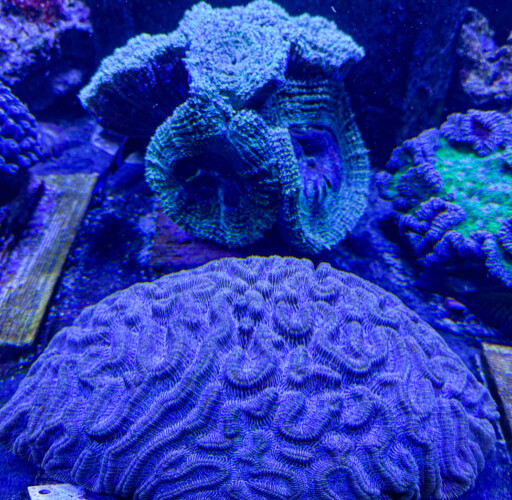 SeaWorld Orlando opened its public-facing Coral Rescue Center in 2023, giving guests a look at conservation work that would normally happen completely behind the scenes. Today, the 3,750-gallon facility is home to more than 350 coral colonies representing 18 at-risk species. And this isn’t just a pretty coral display. The corals inside are part of a much larger effort to protect Florida’s Coral Reef, which has faced major losses from disease and other environmental threats. SeaWorld has worked alongside other organizations in the Florida Coral Rescue Project, caring for corals in protected environments while researchers work to restore populations in the wild.
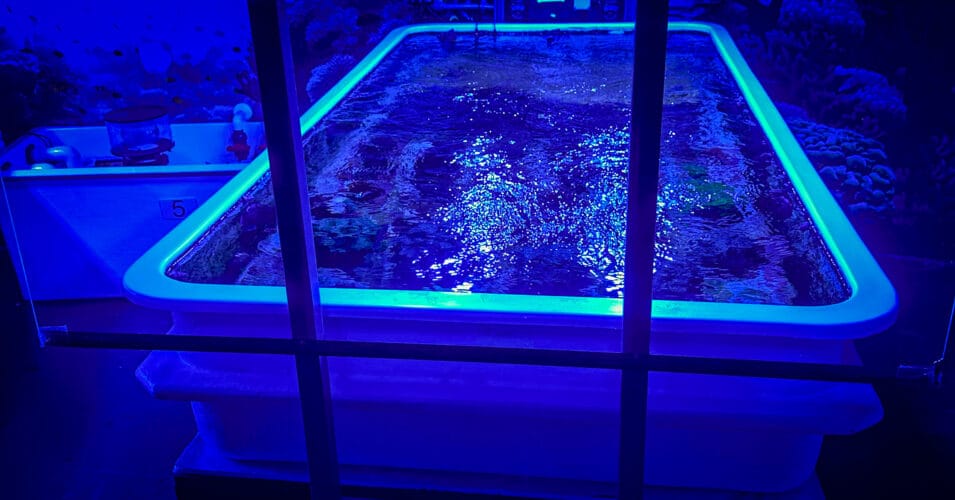 This is where the Coral Rescue Center becomes such a great learning opportunity, especially if you’re visiting with kids. What we usually think of as one piece of coral can actually be an entire colony made up of hundreds or even thousands of tiny animals called polyps. Those little polyps have mouths and tentacles that they use to capture food, and they’re related to jellyfish and sea anemones. The hard, rocky-looking structure underneath them isn’t the animal itself. Many reef-building corals create calcium carbonate skeletons beneath their bodies, slowly building the structures that eventually become the reefs we’re familiar with. Once you know what you’re actually looking at, those tanks suddenly become a lot more interesting.
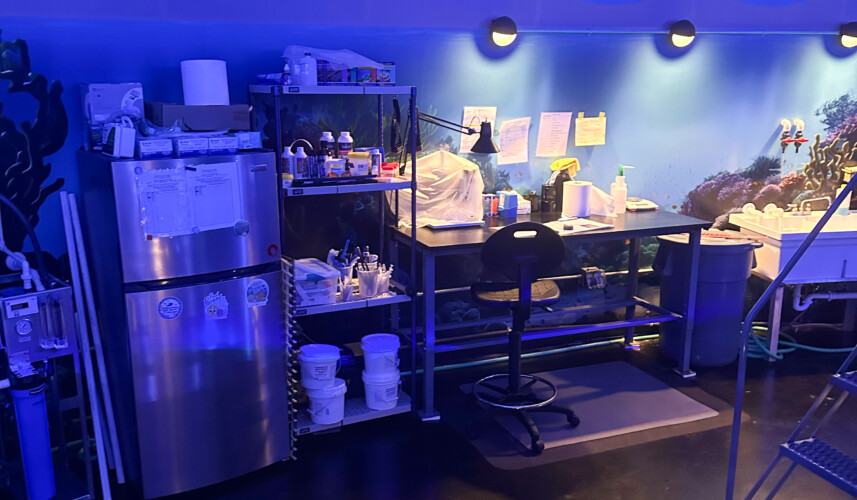
One of the biggest recent threats to Florida’s coral reefs has been stony coral tissue loss disease, first reported near Miami in 2014 and eventually spreading across much of the reef. The disease affects many hard coral species and can kill infected colonies surprisingly quickly. As it spread, scientists began moving healthy corals from threatened areas into protected care. Those rescued corals became part of a massive collaborative effort involving aquariums, conservation organizations, researchers, and other facilities nationwide. SeaWorld is one of them. By maintaining healthy, genetically diverse populations in human care, scientists have a resource to support future breeding, research, and reef-restoration efforts.
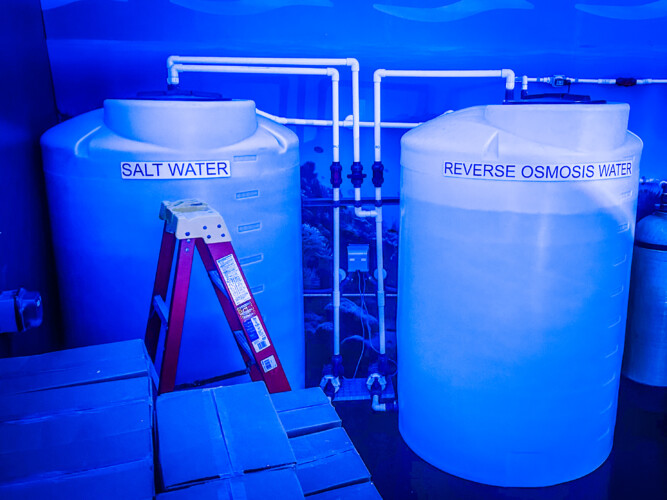
The next time you’re at SeaWorld Orlando, take a few minutes to seek out the Coral Rescue Center. You’ll find it inside the Rescue Center near the Manatee Rehabilitation Area. Look for the Rescue Center entrance and head inside. The coral room is tucked within the facility and can be surprisingly easy to walk right past if you aren’t looking for it, especially since they keep the lighting very low – which is intentional so the team can control the precise lighting the coral needs. Once you’re there, slow down and spend a few minutes looking closely at the tanks. Informative plaques line the trail, too. And you may even catch members of the coral team at work. Don’t hesitate to ask any questions you have. As far as education goes, this is one of the hot spots that gets heavily overlooked.